Burns and Scalds: Knowing What to Do When Seconds Matter
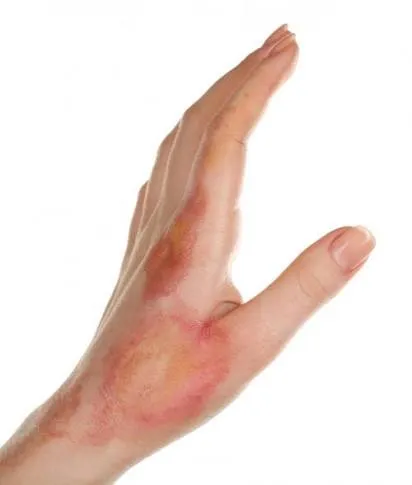
It is easy to imagine that serious accidents only happen in dramatic situations. In reality, a burn can happen during an ordinary morning at home, while cooking dinner, or when a child pulls a hot drink from a table.
The first few moments matter. Knowing what to do can make a frightening situation feel more manageable — and can help prevent a burn from becoming worse.
The most important action is simple: cool the burn as quickly as possible.
Hold the affected area under cool running water for at least 20 minutes. This helps reduce pain, swelling and the risk of further damage. It may feel like a long time, especially when someone is upset, but cooling the burn properly is one of the most useful things you can do.
Move the person away from the source of heat first, if it is safe to do so. Then place the burn under cool running water. If the burn is on a hand or arm, remove rings, watches or other tight items before swelling develops — but do not remove anything stuck to the skin.
Once the burn has been cooled, cover it loosely with cling film or a clean plastic bag. Cover the film lengthways rather than wrapping it tightly around the injured area, as swelling may occur. A clean plastic bag can be particularly useful for a burn to the hand or foot.
There are also a few common mistakes to avoid. Do not apply ice, butter, creams or toothpaste to the burn. Do not burst blisters, and do not pull away clothing that has stuck to the skin. These actions can cause more damage or make it harder for medical professionals to treat the injury.
Seek urgent medical help for serious burns, including burns to the face, hands, feet, genitals or airway; burns that go all the way around a limb; large or deep burns; and burns caused by electricity or chemicals. Call 999 or 112 if the injury is severe or the person is seriously unwell. If a baby or child has been burned, seek medical advice even if the burn appears small.
First aid is not about staying perfectly calm or knowing every answer. It is about knowing the next useful thing to do. In the case of a burn, that means cool running water for at least 20 minutes, protect the area, avoid common remedies that can make things worse, and get medical help when needed.
A first-aid course gives people the chance to practise these actions before an emergency happens. That confidence can make all the difference when someone is in pain, children are distressed and everyone else is looking for answers.
The next time you reach for a hot drink or turn on the oven, remember that accidents can happen quickly. Being prepared means you can respond quickly too.
For current guidance, see the British Red Cross advice on burns and St John Ambulance guidance on burns and scalds.